How to do it
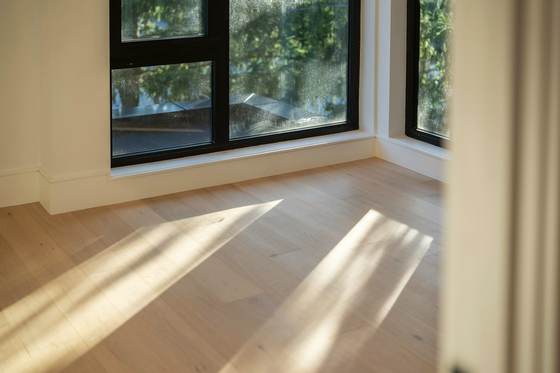
In daylight, not under work lights. Slowly. With a notebook and a roll of low-tack tape to mark things, and with the contractor present if they will come.
Raise everything, including the small things. A list of twenty items handed over once is far easier for everyone than twenty messages over three months.
And do it before the final payment. That is not cynicism; it is simply when everyone's attention is available.
Surfaces
- Walls checked from an angle, with light across them — filler marks, roller lines, missed patches and sanding scratches all hide under direct light
- Paint coverage even, especially in corners and behind radiators
- No paint on hinges, handles, glass, sockets or switches
- Caulk lines straight and continuous where skirting meets wall
- Ceilings checked from below and from the side
- No cracks at new junctions — some settlement cracking is normal and should be agreed as such, rather than discovered later
Tiling
- No hollow-sounding tiles — tap across the whole area with a knuckle
- Grout lines even, fully filled, no gaps or voids
- No grout haze left on the tile face
- Cuts neat, and the awkward ones placed where they are least visible
- Silicone, not grout, at every internal corner and change of plane
- Silicone continuous, neat, and with no mould already in it
- Falls correct in any wet area — pour a little water and watch where it goes
Floors
- No lifting, no movement, no creaks that were not there before
- Expansion gaps present at every wall and fixed object
- Beading or skirting covering the gaps neatly
- Thresholds finished properly where one floor meets another
- No damage — scratches, dents, adhesive residue
- Doors still clear the floor and still close
Joinery and doors
- Every door opens, closes and latches without being lifted or pushed
- Even gaps around each door
- Handles and hinges secure, aligned and not scratched
- Skirting and architrave mitres tight, and filled where they are not
- Nothing rattling, nothing loose
Electrical and plumbing
- Every socket, switch and light tested, individually
- Faceplates straight, flush and secure
- Every tap run hot and cold, and checked for flow and for leaks
- Every waste checked with a full basin or bath of water, not a trickle
- Toilet flushes and refills properly, and the seat is secure
- Shower checked at full flow, for pressure, temperature and for leaks
- Extract fan tested, and checked that it actually moves air — hold a tissue to it
- Radiators heating evenly, and bled
- Under every sink and every appliance, checked dry after an hour of use
Kitchen, if applicable
- Every door and drawer opens fully, closes softly, and is aligned with its neighbours
- Worktop joints tight, sealed, and in a sensible place
- Sink and tap secure, and sealed to the worktop
- Every appliance tested, with its manual and warranty handed over
- Appliance doors clear the units and each other
- Extractor ducted to outside, not just recirculating, if that was the spec
The paperwork
A job without its certificates is not finished, whatever it looks like.
- Electrical certificate
- Gas safety record, if applicable
- Pressure test results, if applicable
- Waterproofing or tanking guarantee for any wet area
- Building-control or inspection sign-off
- Appliance manuals, warranties and registration
- Paint colour codes and finish names, written down
- Tile, flooring and wallpaper batch numbers, and the spare material itself
- The photographs of the open walls, filed somewhere permanent
Then
- List handed over in writing, with a date for the items to be cleared
- Re-inspected once they are done
- Retention paid promptly once the list is clear
The last item matters more than it looks. A contractor who was dealt with fairly is a contractor who answers the phone when something comes loose next winter.