Interior styles, and how to actually build them
Not mood boards. Each style is taken apart into the materials, the exact colours and the techniques that produce the look, so you can specify it and price it.
A style is not a shopping list. It is a small set of decisions about material, colour and finish, repeated consistently. Two rooms with identical furniture read as completely different styles depending on the floor, the wall finish and the metal on the handles.
So each of these pages is organised the same way: the palette with real hex codes you can take to a paint supplier, the materials that carry the look, the techniques that produce it, and the things that quietly take it apart.
Where to start
If you already know the look you want, go straight to it. If you do not, start with the three that cover most houses and branch out from there: Scandinavian if you want light and calm, modern farmhouse if you want warmth and some texture, transitional if you want something that will not look dated in eight years. Japandi and warm minimal are the quiet end; maximalist and art deco are the loud one.
Whichever you pick, the decisions behind it are the same three, and materials, colour and finish explains how they interact — undertones, sheen levels, and why the same grey reads warm in one room and cold in the next. Once you have a palette, the paint calculator turns it into litres, and the order of operations tells you when in the job to buy it. Choose the look early. Buy the materials late.
-
Scandinavian interior style Light, restraint and honest materials — and how to keep it warm.
-
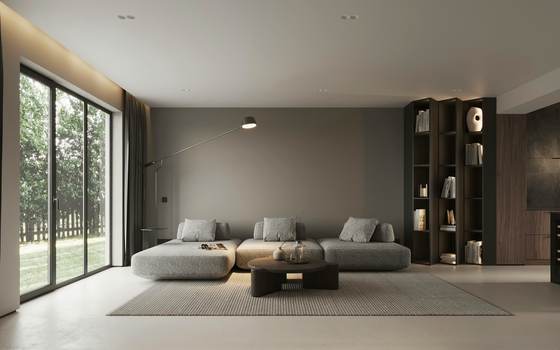
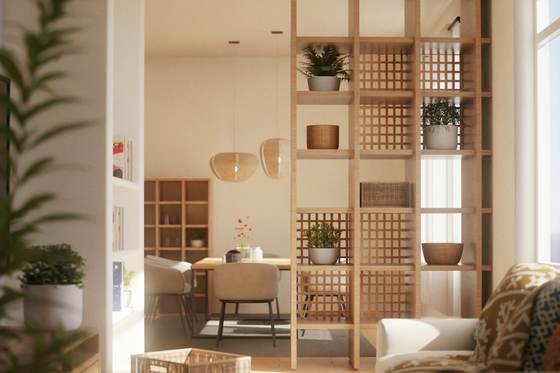
Japandi interior style Japanese discipline, Nordic warmth, and why craft decides it.
-
Industrial interior style Concrete, blackened steel and tan leather, built rather than revealed.
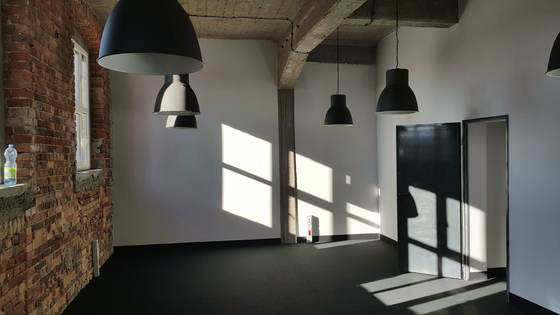
-
Mid-century modern interior style Teak, forest green and burnt orange, lifted off the floor on tapered legs.
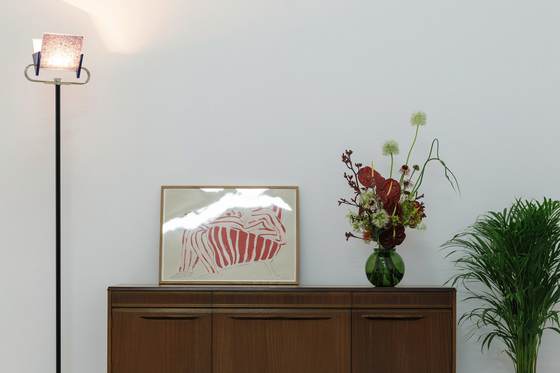
-
Modern farmhouse interior style Aged oak, panelling and black iron — the quiet version.
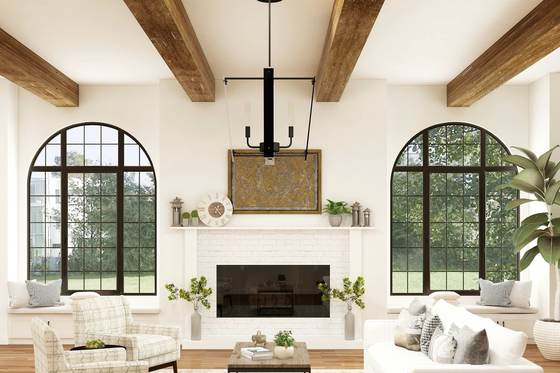
-
Warm minimalist interior style Tonal, textural and colour drenched. Minimalism you can live in.
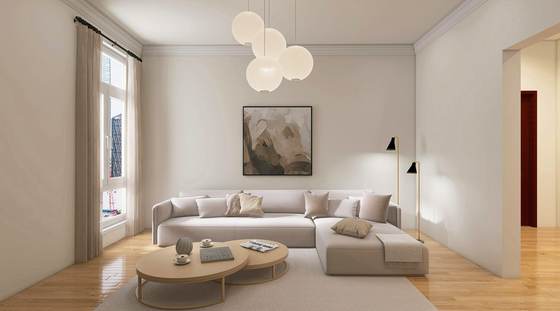
-
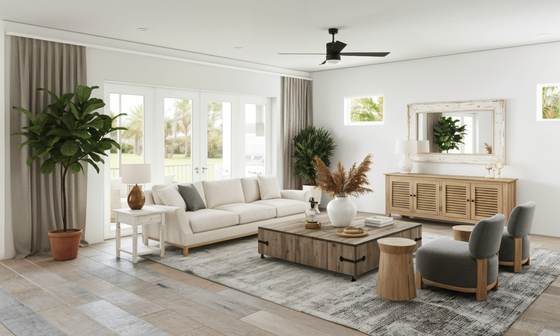
Coastal interior style Bleached oak and one deep harbour blue. No seashells.
-
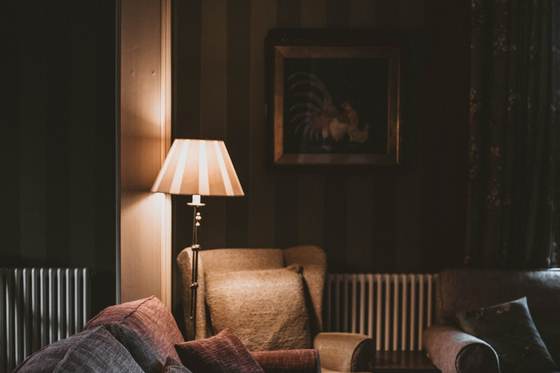
Dark and moody interior style Deep colour across the whole room, and the lamps it needs.
-
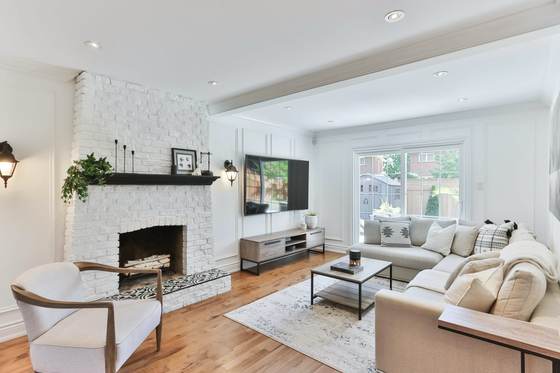
Transitional interior style Classic bones, modern restraint. The safest style here, and the hardest to make interesting.
-
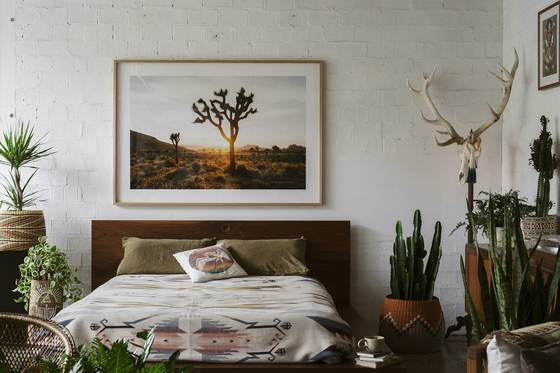
Bohemian interior style Layered, collected and plant-filled. Looks effortless, is not.
-
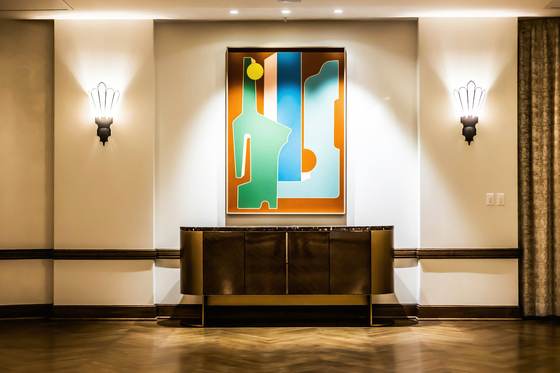
Art deco interior style Geometry, brass and deep colour. Confident, and unforgiving of half measures.
-
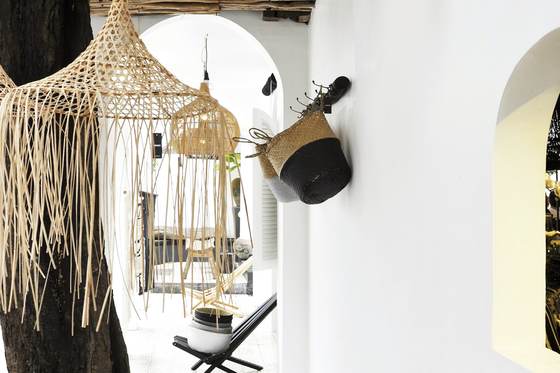
Mediterranean interior style Limewash, terracotta and curves. Built for heat, and it shows.
-
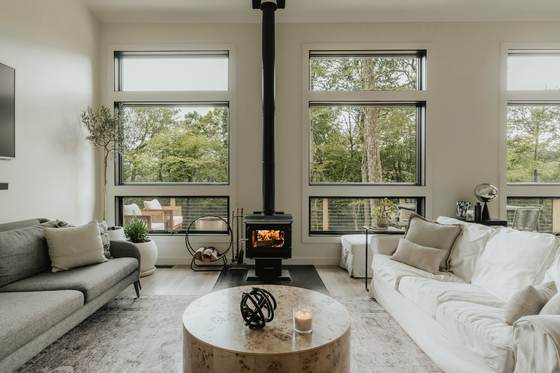
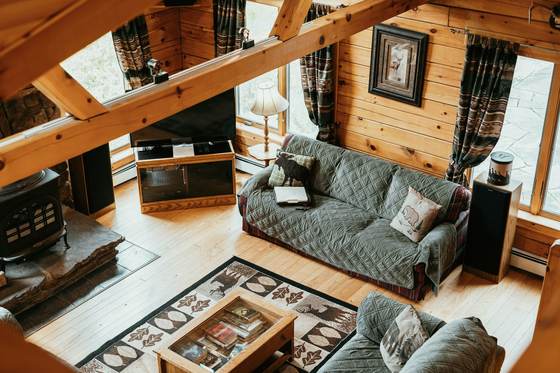
Rustic cabin interior style Timber, wool and a stove. Warmth as the organising principle.
-
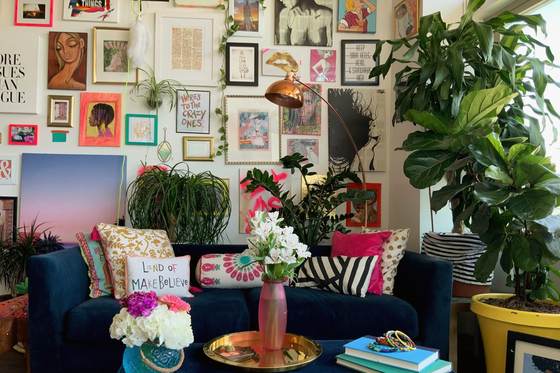
Maximalist interior style More, arranged. The opposite of random, despite appearances.
-
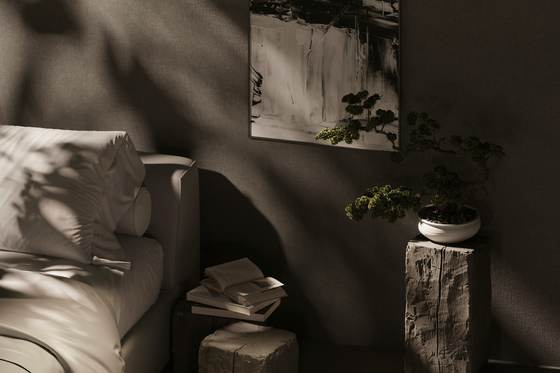
Wabi-sabi interior style Imperfection on purpose. The hardest thing here to buy and the cheapest to do.
-
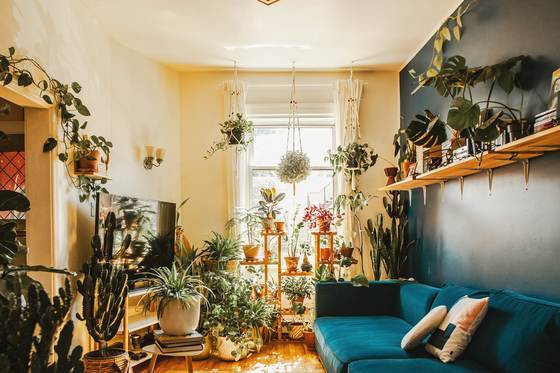
Biophilic interior style Planting as architecture, plus the daylight and materials that make it read.
-
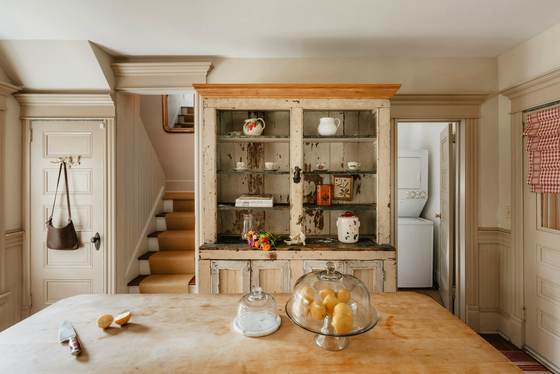
French country interior style Worn elegance. Formal shapes, informal finishes.
-
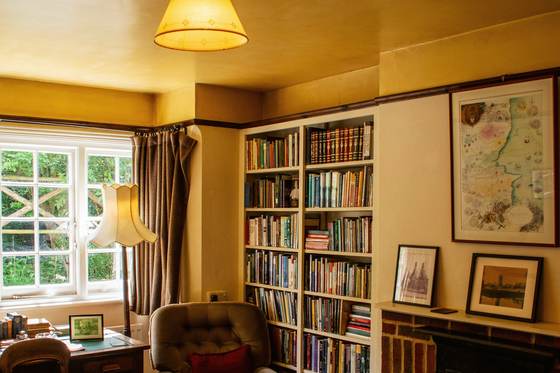
English country house style Layered, bookish and deeply comfortable. Decorated over decades, not weekends.
-
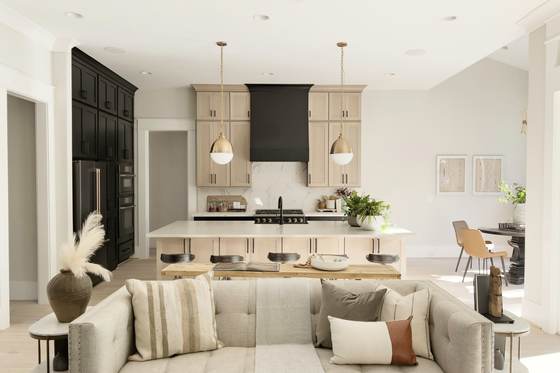
Organic modern interior style Curves, warm neutrals and natural material. Modern without the hard edges.
-
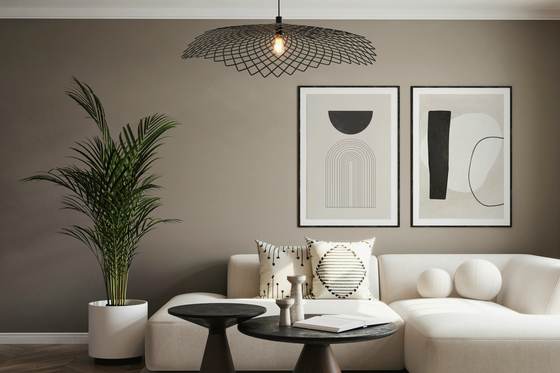
Contemporary interior style Clean lines and current materials. Defined by now, which is also its weakness.
-
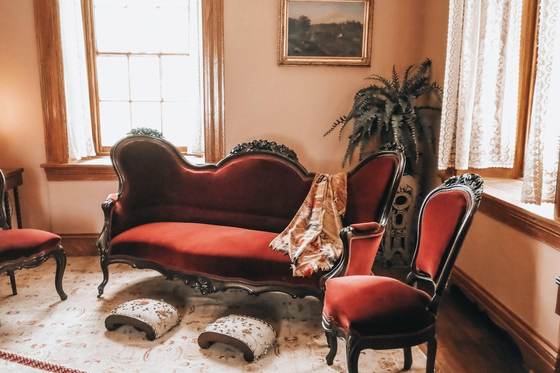
Victorian interior style Period detail, deep colour and ornament. Restoration more than decoration.
-
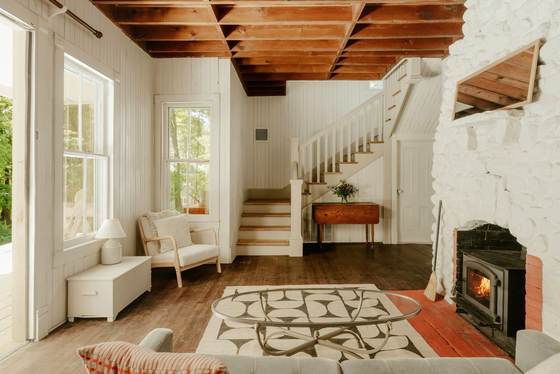
Cottage interior style Small, soft and unpretentious. Works with low ceilings rather than against them.
-
Shaker interior style Honest joinery and nothing spare. The most copied kitchen style, rarely understood.